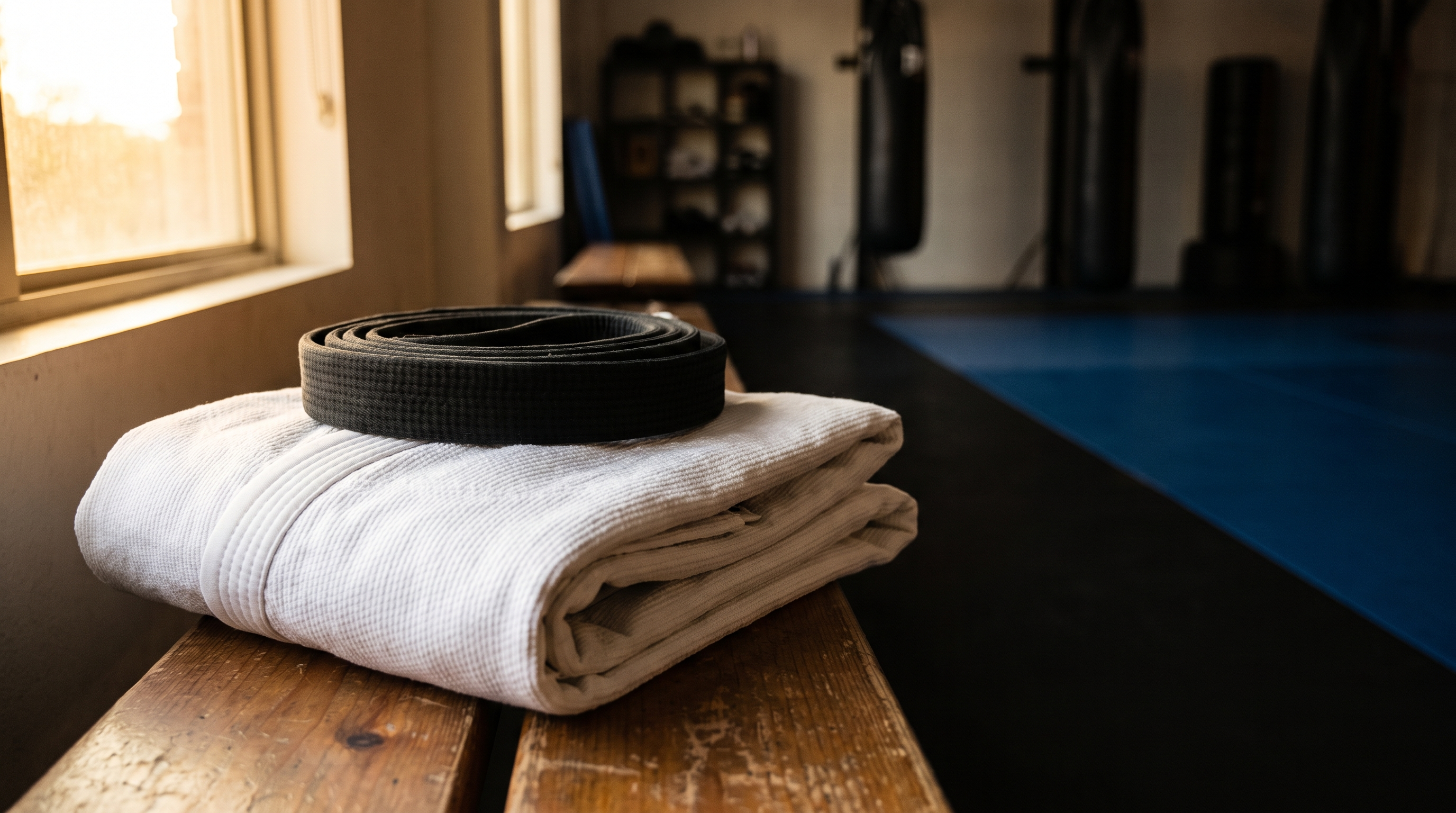
How to Choose a BJJ Gi as a Beginner: Fit, Weave, and What to Skip
TL;DR. Your first BJJ gi should fit inside IBJJF measurement rules, use a durable weave you can wash often, and cost less than you think. Focus on collar thickness, sleeve/pant length, and shrinkage after the first few washes. Skip heavy competition weaves, flashy patches, and gimmicks until you've trained for several months. Any honest, mid-range single or pearl weave from a reputable brand will do the job.
Walking into a Brazilian Jiu-Jitsu academy for the first time is intimidating enough without spending a small fortune on the wrong uniform. The gi (also called a kimono) is the piece of gear you'll spend the most time inside, get gripped by, and wash constantly. Choosing well the first time saves money, saves headaches, and lets you focus on what actually matters: showing up, drilling, and learning.
This guide is written for someone who has never bought a gi and is trying to filter out marketing noise. If you're brand new, you might also want to read our take on what to expect in your first BJJ class before you invest in gear.
Key takeaways
- Fit matters more than brand — your gi should pass IBJJF sleeve and pant length rules and still let you move.
- For a first gi, pick a single weave or light pearl weave: durable, breathable, and easy to wash between sessions.
- Expect some shrinkage on cotton gis; wash cold and hang dry to keep the fit predictable.
- You do not need a competition-weight gi, ripstop pants, or heavy patches on day one.
- White is the safest first color because every academy allows it and it shows when it needs washing.
- Buy from brands with a real return policy and clear size charts, not just the cheapest listing you find.
- One well-chosen gi you actually wash and rotate beats three cheap gis you never trust.
What actually matters in a first BJJ gi
Most beginner mistakes come from copying what a black belt on Instagram wears. A competitor's setup is optimized for tournament rules, personal grip preferences, and years of feel. As a new white belt, three things matter more than anything else: fit, weave, and washability.
Fit
The IBJJF (the sport's main federation) has clear measurement rules used at most competitions. Even if you never compete, these are a useful sanity check for whether a gi fits like a real BJJ gi and not a karate uniform.
- Jacket sleeve: should reach no more than a few centimetres from the wrist when your arm is extended straight in front of you.
- Pants: should reach no more than a few centimetres above the ankle bone.
- Lapel/collar: thick enough to grip firmly, but not so thick your training partners can't close a hand around it.
- Torso: the skirt of the jacket should cover your belt line when the belt is tied.
If a gi drowns you at the wrists or floods at the ankles, size down or try a different cut. Body type matters: many brands offer "slim," "regular," and "husky" cuts of the same model.
Weave
The weave is how the cotton threads are woven into the jacket. It determines weight, feel, breathability, and how the gi ages. More on the specific weaves below — but for a beginner, aim for single weave or light pearl weave.
Washability
You will sweat through your gi every single session. A gi you can't wash quickly and dry before the next class is a gi you'll skip wearing — and a sweaty gi that sits in a bag becomes a smell, hygiene, and skin-infection problem fast. Lighter weaves dry faster. This alone is a reason not to buy a heavy competition gi as your first one.
Remember. Your first gi is a training tool, not a fashion statement. If it fits the rules, breathes well, and dries before the next class, it's doing its job.
Gi weaves explained
Here's a plain-English comparison of the common weaves you'll see when shopping. Weights are given in GSM (grams per square metre), which is how manufacturers usually describe the fabric density.
| Weave | Typical weight | Feel | Best for |
|---|---|---|---|
| Single weave | Light | Thin, breathable, easy to wash | Beginners, hot climates, high-frequency training |
| Pearl weave | Light to medium | Balanced, most popular modern weave | Beginners and general training |
| Double weave | Heavy | Thick, stiff, harder to grip | Advanced competitors, cold gyms |
| Gold weave | Medium to heavy | Traditional, textured, durable | Practitioners who prefer old-school feel |
| Ripstop (pants) | Light | Thin, quick-drying, tear-resistant | Rolling in hot weather; often paired with pearl weave tops |
For most beginners, a pearl weave in a middleweight (roughly medium GSM) with cotton or cotton/ripstop pants is a safe default. It's what most modern training gis are made of, and it's what your training partners are almost certainly wearing.
What to skip on your first gi
Marketing is loud in BJJ. Here's what you can safely ignore as a brand-new white belt:
- Heavy competition weaves. Slower to dry, harder on your grip endurance, and only useful if you're already competing.
- Aggressive tapering and "pro" cuts. Great once you know your body and preferences, painful when you're still figuring out sizing.
- Patch overload. Extra patches add weight, absorb sweat, and can peel off. A brand logo or two is fine.
- Ultra-premium price tags. A first gi doesn't need to cost as much as a month of tuition.
- Ranked patches you didn't earn. Sew on nothing rank-related until your coach tells you to.
- Black or navy as your only gi. Some academies restrict colors; white is universally accepted. If you want a second gi later, blue or black is fine at most gyms — check first.
Remember. The gi doesn't make you better at jiu-jitsu. Consistent training and thoughtful review of what you learn does. If you want a system for that, BJJ Memo turns instructional videos you already watch into revisable technique cards.
Fit guide by body type
Size charts vary between brands, but here's how to think about it:
Lean and tall
You'll usually need a longer size (often called A2L, A3L, etc., depending on the brand). Prioritize sleeve and pant length; don't go too big in the torso just to reach your wrists.
Short and stocky
Look for "husky," "H," or "F" cuts. Getting a bigger regular size to fit your chest will leave your sleeves and pants comically long even after shrinkage.
Average build
Most standard cuts (A1, A2, A3) will work. Pay attention to whether the brand's chart uses pre-shrunk or raw measurements.
Women
Brands increasingly offer proper women's cuts (F1, F2, etc.) with different jacket and pant proportions. A unisex size can work, but a dedicated women's cut usually fits better and is worth the small extra cost.
How much should you spend?
You can find reliable beginner gis at three rough tiers:
- Budget: entry-level pearl weaves from established BJJ brands. Fine for training if the sizing works.
- Mid-range: the sweet spot. Better stitching, more consistent sizing, longer lifespan.
- Premium: competition-grade or boutique brands. Not necessary as a first gi.
If you buy one gi and train two to three times a week, you'll want a second one within a few months just so you always have a dry gi ready. Two mid-range gis usually outperform one expensive gi for training frequency.
Where to buy and what to avoid
Stick to brands with:
- A published size chart with actual measurements (not just A1/A2/A3 labels).
- A visible return or exchange policy.
- Reviews from actual grapplers, not generic e-commerce feedback.
Avoid unbranded, generic "BJJ kimono" listings from marketplaces with no clear brand. They often use unlisted materials, inconsistent sizing, and don't hold up to weekly washing.
When in doubt, ask your coach or teammates what brand they wear. Most academies have a preferred supplier or a small in-house store — and buying from them supports the gym.
Remember. For real feedback on gear and technique, train at a legit academy with a qualified coach. BJJ Memo helps you remember and revise what you learn — it doesn't replace mat time.
Care: making your gi last
A gi is only as good as the way you look after it.
- Wash after every session, cold water, mild detergent.
- Hang dry whenever possible. Tumble drying accelerates shrinkage.
- Never leave a wet gi in your bag. This is where the horror stories come from.
- Rotate two gis as soon as your budget allows.
- Don't bleach colored gis. Use color-safe options only.
Good care easily doubles the lifespan of a mid-range gi.
Final recommendation by profile
- Absolute beginner, first month: one mid-range pearl weave in white, standard cut, in your closest size on the chart.
- Training 2–3×/week after month one: add a second mid-range gi so you always have a dry one ready. A ripstop pant version is nice for summer.
- Considering competition later: stick with training gis until you've picked an academy and asked your coach which brand and weight they recommend.
Once the gi question is handled, the bigger problem is remembering what you learn each week. That's what BJJ Memo is built for: paste a YouTube instructional, get a structured technique card with timestamps, and revise before class so it actually sticks. See more on how we approach learning and retention on the blog, or download BJJ Memo to start building your own technique library.
Frequently asked questions
Do I need a gi for my first BJJ class?
Most gi academies will lend you one for a trial class. Ask before you buy anything — you may not even like the sport, and you'll almost certainly get better advice on brands after a session or two.
Is a cheap gi bad for training?
Not necessarily. A cheap gi from a reputable BJJ brand is fine. What tends to be bad is a no-name marketplace gi with unknown materials and sizing.
What color should my first gi be?
White. It's accepted at every academy and every competition, and it makes stains and grime obvious so you actually wash it.
How often should I wash my gi?
After every session, without exception. A dirty gi is a hygiene problem for you and everyone you roll with.
Do I need a competition gi to compete?
Eventually, yes — most federations have rules about color, weave, and patches. For your first year of training, a good pearl weave is more than enough.
Can I use a karate or judo gi for BJJ?
Judo gis are close but usually cut differently, and karate gis are too light and won't survive gripping. Buy a proper BJJ gi.
A good first gi is the one you'll actually wash, pack, and wear to class. Keep it simple, keep it clean, and put the money you saved into more mat time and better retention of what you learn. If you want a system for the second part, BJJ Memo is available on iOS and Android and turns the instructionals you already watch into revisable technique cards.
Last updated 2026-08-29.